Updated August 15, 2025
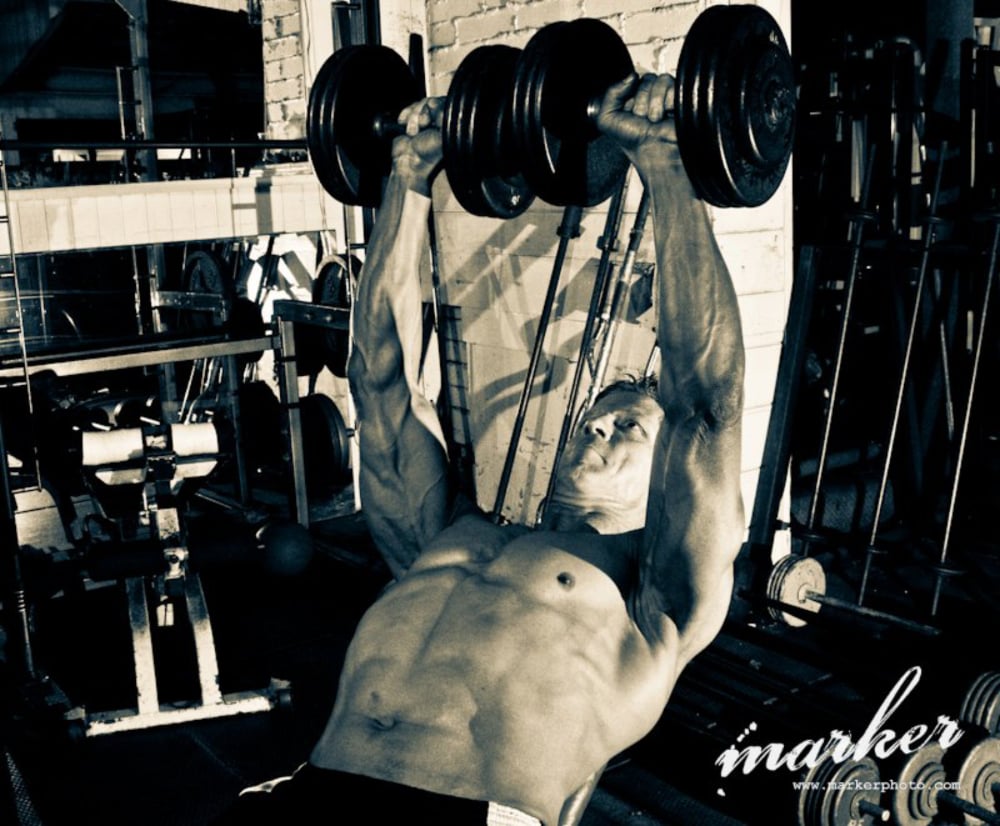
Does exercise increase testosterone? In my research on this topic, I discovered that there is a lot of confusion and misinformation about whether exercise can increase testosterone levels in men. Some people believe that intense exercise, such as weightlifting or high-intensity interval training, can lead to a temporary increase in testosterone levels. However, others argue that the effect of exercise on testosterone levels is minimal, and any changes are short-lived.
In this article, I will answer the question, “Does exercise increase testosterone?” I will tell you everything you need to know about how exercise affects testosterone levels. I will explore the different types of exercise and their effects on testosterone levels, as well as the scientific evidence behind these claims.
The Science Behind Testosterone and Exercise
First and foremost, let’s discuss the science behind testosterone and exercise. Testosterone is a hormone that is mostly made in men’s testicles, but small amounts can also be found in women’s bodies. Testosterone is in charge of a wide range of bodily functions, such as bone density, muscle growth, and sex drive.
On the other hand, exercise is any physical activity that raises your heart rate, makes you breathe faster, and uses up more energy. There are several different types of exercise, including cardiovascular exercise, resistance training, and high-intensity interval training.
Research has shown that exercise can have a direct impact on testosterone levels, but the relationship is complex and multifaceted. How exercise affects testosterone levels depends on what kind of exercise you do, how hard you work out, and how long you do it for.
Cardiovascular Exercise and Testosterone Levels
Cardiovascular exercise, also known as aerobic exercise, is any form of exercise that increases heart rate and respiration. Examples of cardiovascular exercise include jogging, swimming, cycling, and dancing. I also wrote a post about a HIIT cardio workout for quads and hamstrings.
Research has shown that cardiovascular exercise can have a positive effect on testosterone levels, particularly in men who are overweight or obese. One study found that after 12 weeks of regular cardiovascular exercise, the testosterone levels of overweight men went up by a lot.
But cardiovascular exercise usually has a small effect on testosterone levels, and any boosts are usually short-lived. Most of the benefits of cardiovascular exercise are related to health and fitness in general, not just to testosterone levels.
3rd edition released in May 2023 includes collaboration with and foreword written by international fitness icon, Sharon Bruneau.

Resistance Training and Testosterone Levels
Resistance training, also known as weightlifting or strength training, involves lifting weights or using resistance machines to build muscle and increase strength. Resistance training is often recommended for men who want to increase their testosterone levels naturally.
Researchers have found that resistance training can have a big effect on testosterone levels, especially in men who don’t work out often. One study found that the testosterone levels of young men who did a 12-week resistance training program went up by 40%. One study found that men who did an HIIT program for six weeks saw their testosterone levels rise by 15%. However, it is important to note that the effects of HIIT on testosterone levels are likely to be small, and any increases are likely to be short-lived.
In conclusion, does exercise increase testosterone? The short answer is yes, but the relationship between exercise and testosterone levels is complex and multifaceted. While some types of exercise, such as resistance training, may have a positive impact on testosterone levels, the effects are generally small and short-lived. It is important to note that other lifestyle factors, such as diet, stress levels, and sleep cycle, also play a significant role in testosterone production. So, while exercise is a good way to improve your health and well-being as a whole, it shouldn’t be the only thing you do to raise your testosterone levels.
If you are worried about your testosterone levels, you should talk to a doctor or nurse about what tests and treatments are available to you. They can help you develop a personalized plan that takes into account your individual needs and goals.
I hope that this article has given you a full picture of how exercise affects testosterone levels and answers the question “Does exercise increase testosterone?” If you have any further questions or concerns, please do not hesitate to reach out to me for more information.
Like this article? Then you might also like my post how to increase serotonin naturally. Additionally, learn more about what exercise does in our post: The Science of Hope: The Power of Hope Molecules through Exercise.
Q & A — Clear Answers That Tell It Like It Is
1. Does exercise really increase testosterone?
Yes—exercise can increase testosterone, but don’t expect a miracle. The boost tends to be modest and temporary, and it depends on the type, intensity, and duration of the activity Richard H Webb+1.
2. Which type of exercise works best for raising testosterone?
Resistance training (like weightlifting) has the most significant impact—one study observed a 40% increase in testosterone over 12 weeks in young men new to training Richard H Webb. Cardiovascular activities, particularly in overweight individuals, also help—but the effects are usually smaller and short-lived Richard H Webb.
3. What about HIIT?
High‑Intensity Interval Training (HIIT) can yield a 15% rise in testosterone after six weeks—but again, the increase is modest and tends to fade quickly Richard H Webb.
4. Is exercise alone enough to boost testosterone meaningfully?
No. Exercise is helpful—but relying on it alone is short-sighted. Diet, stress control, and sleep are also major players in testosterone production Richard H Webb+1.
5. What if someone is concerned about low testosterone?
Smart move talking to a professional. A doctor or nurse can recommend proper tests and suggest personalized strategies—not just exercise—to address your needs Richard H Webb+1.
Key Takeaways — Sharp, Practical Insights
Exercise helps—but only a little, and only briefly
- Resistance training leads the pack with up to ~40% increase in testosterone.
- Cardio and HIIT offer smaller, transient boosts (~15%), especially in overweight men.
Context matters—results vary by person and exercise type
- Novices reap the greatest hormonal response.
- The magnitude and sustainability of effects aren’t universal.
A holistic lifestyle matters more than any single workout
- Exercise should be one part of a strategy that includes nutritious eating, stress management, and quality sleep.
Consultation is empowerment
- If hormone levels are a concern, a tailored plan based on professional testing and guidance beats guesswork every time.
💪 Take Your Health to the Next Level
If you want more than quick, temporary boosts—and you’re ready for a complete strategy tailored to your body, goals, and lifestyle—my 1-on-1 Health Coaching Program will give you the roadmap and accountability to make it happen.