How HIIT Changes the Fat Loss Equation
If your schedule is packed with back-to-back meetings, deadlines, and family commitments, the idea of spending an hour at the gym can feel unrealistic. The science of HIIT for fat loss offers a direct solution. It is not about finding more time; it is about using the time you have more effectively. When it comes to HIIT fat loss for busy people High-Intensity Interval Training delivers powerful physiological changes that drive fat loss, improve cardiovascular health, and build metabolic efficiency, all in significantly less time than traditional endurance training. For busy professionals who refuse to compromise on results, HIIT provides a framework that respects your schedule while delivering measurable outcomes.
What the Research Reveals About HIIT and Body Fat
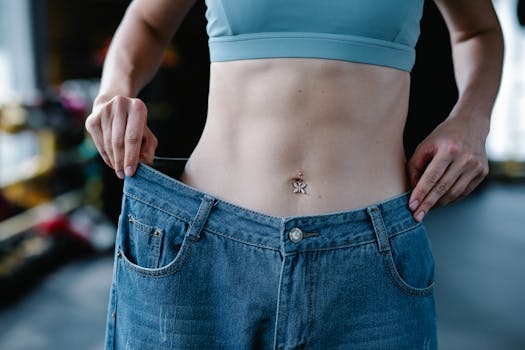
The evidence supporting HIIT for fat loss is substantial and growing. A meta-analysis published in PMC examined the effects of HIIT on body composition and found a statistically significant average reduction in body fat percentage of 1.53% (p = 0.001). For someone with a body fat percentage of 25%, this translates to moving toward 23.47% without adding hours of steady-state cardio to your week. This is not a marginal improvement. It represents a meaningful shift in body composition that is visible and sustainable.
Beyond the percentage reduction, the absolute fat loss numbers are equally compelling. Data analyzed by HFE indicates that average fat loss from HIIT interventions is approximately 1.2 to 1.5 kg, with larger reductions observed in longer programs lasting around 15 weeks. This shows that consistency with HIIT over a few months can yield substantial results. The University of New Mexico further confirms that HIIT offers meaningful benefits in reducing abdominal and total body fat in 50% of the time compared to steady-state training. For a busy person, cutting required exercise time in half while maintaining or exceeding results is a game-changing advantage.
Why HIIT Is More Efficient Than Steady-State Cardio for Time-Crunched Professionals
The primary advantage of HIIT for a busy professional is the exceptional return on time invested. The University of New Mexico research explicitly states that HIIT reduces abdominal and total body fat in half the time required by steady-state cardio. This efficiency does not come at the cost of effectiveness. In fact, Crunch Fitness reports that HIIT can help tackle stubborn belly fat more effectively than traditional endurance training. When your goal is visible fat loss, and your time is limited, HIIT gives you more results per minute.
Feature | HIIT | Steady-State Cardio |
Time Efficiency | Matches or exceeds steady-state results in 50% of the time | Requires longer sessions for comparable fat loss |
Fat Loss Impact | 1.53% average body fat reduction, approximately 1.2 to 1.5 kg loss | Lower fat loss efficiency per minute invested |
Afterburn Effect (EPOC) | Significant calorie burn continues for hours post-workout | Minimal post-workout calorie burn |
Weekly Frequency | 2 to 3 sessions recommended | Often recommended 3 to 5 or more sessions |
Belly Fat Reduction | More effective at targeting stubborn abdominal fat | Less targeted impact on abdominal fat |
A key physiological mechanism that amplifies the efficiency of HIIT is the afterburn effect, or Excess Post-Exercise Oxygen Consumption (EPOC). As explained by EOS Fitness, HIIT produces an afterburn effect that allows you to burn calories long after the workout is over. This means your body continues working to restore itself to a resting state, consuming additional energy for hours after your session ends. Steady-state cardio does not provide this extended calorie burn to the same degree. So, when the workout ends the fat burning continues.
Building a Time-Efficient HIIT Routine
Selecting the Right Exercises
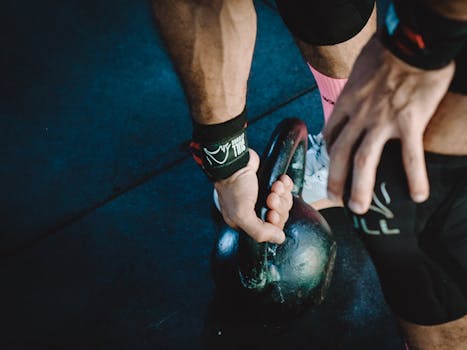
To build an effective HIIT routine that maximizes fat loss, focus on compound movements that engage large muscle groups and drive your heart rate up quickly. Highly effective exercises backed by the research include sprinting intervals, jump squats, burpees, mountain climbers, and kettlebell swings. Other excellent options to incorporate are jumping jacks, high plank holds, high knees, and reverse lunges. These movements create the metabolic demand necessary to trigger the afterburn effect and stimulate fat loss. I put together several workings using HIIT fat loss for busy people, and here’s one for for HIIT cardio work emphasizing abs.
Structuring Your Weekly Schedule
For effective weight loss and fat reduction, aim for 2 to 3 HIIT sessions per week, as recommended by Crunch. This frequency allows for adequate recovery between sessions, which is crucial because HIIT places significant stress on your central nervous system and muscles. Recovery is when your body adapts and becomes more efficient. Trying to do HIIT every day can lead to burnout or overtraining. By strategically scheduling 2 to 3 sessions, you maximize fat loss while protecting your energy for work and family demands.
Additional Health Benefits That Matter
Beyond direct fat loss, the benefits of HIIT extend to overall metabolic and cardiovascular health. Healthline notes that HIIT may help reduce body fat, heart rate, and blood pressure. For busy professionals, improving cardiovascular health in less time is a massive win. You are not just losing fat. You are building a healthier, more resilient cardiovascular system that supports higher energy levels and better focus during demanding workdays. Remember that consistency is key, however, which makes HIIT fat loss for busy people even more difficult.
To learn more fat burning secrets, check out my Fat Burning Secrets book series.
Frequently Asked Questions
How quickly can I expect to see fat loss results with HIIT?
Research examining HIIT interventions shows an average fat loss of approximately 1.2 to 1.5 kg and a 1.53% reduction in body fat percentage. Studies lasting around 15 weeks tend to show larger reductions. Individual results depend on how consistently you train and your overall dietary habits.
Is HIIT suitable for someone over 40 or a complete beginner?
HIIT can be adapted by modifying exercise selection, work intervals, and rest periods. The available research does not provide specific safety protocols for beginners without supervision. Individuals over 40 or those with existing health conditions should consult a medical professional before starting a HIIT program to ensure it is safe for their specific situation.
Can I replace all my steady-state cardio with HIIT?
Since research shows HIIT reduces abdominal and total body fat in 50% of the time compared to steady-state training, it serves as an excellent replacement for those prioritizing efficiency. You do not need to eliminate all steady-state work, but HIIT can form the core of a time-minimal fat loss strategy.
What is the afterburn effect and how does it help with fat loss?
EPOC, or Excess Post-Exercise Oxygen Consumption, is the physiological state where your body continues using energy at an elevated rate after exercise to restore itself. HIIT creates a substantial afterburn effect, meaning you keep burning calories for hours after your workout ends, unlike the minimal afterburn from steady-state cardio.
The evidence is clear. HIIT provides a scientifically validated path to fat loss that respects the limited time of a busy professional. By focusing on intensity over duration, you can achieve meaningful reductions in body fat, improve cardiovascular health markers, and optimize your metabolic system without living in the gym. This aligns directly with the philosophy of working smarter, not harder, to achieve your fitness goals.